DIY versus professional packing what to know for safe removals
Moving house is one of those jobs that looks simple until you're standing in the hallway at 9pm, staring at a pile of plates, a lamp with a missing shade, and a box that suddenly feels far too flimsy. The question of DIY versus professional packing what to know for safe removals matters because packing is not just about getting things into boxes. It's about keeping your belongings safe, keeping the day moving, and avoiding that awful moment when something breaks before it even leaves the front door.
Some people are happy to pack everything themselves and do a brilliant job. Others prefer to hand the job over and take the pressure off. Most households sit somewhere in the middle. This guide breaks down the real differences, the risks, the time involved, and the situations where professional packing is worth it. It also covers practical steps, common mistakes, and a few things people often forget until the last minute. Truth be told, that last bit is usually where removals get messy.
Table of Contents
- Why DIY versus professional packing what to know for safe removals matters
- How DIY versus professional packing what to know for safe removals works
- Key benefits and practical advantages
- Who this is for and when it makes sense
- Step-by-step guidance
- Expert tips for better results
- Common mistakes to avoid
- Tools, resources and recommendations
- Law, compliance, standards, or best practice
- Options, methods, or comparison table
- Case study or real-world example
- Practical checklist
- Conclusion
- Frequently Asked Questions
Why DIY versus professional packing what to know for safe removals Matters
Packing is the bit that decides how smoothly the rest of the move goes. If boxes are too heavy, badly labelled, underfilled, or packed without enough protection, the whole removals day becomes harder. A sofa can be wrapped. A wardrobe can be lifted. But a chipped glass, crushed photo frame, or broken TV screen is a different story.
Safe removals depend on what happens before the van arrives. That's why the choice between packing yourself and using professional help is more than a budget decision. It affects the risk of damage, the speed of loading, how easy unpacking will be, and even whether your move feels manageable or completely overwhelming.
There's also a practical reality here. DIY packing can save money, yes, but only if it's done well and early enough. Professional packing costs more, but it can save time, reduce stress, and lower the chance of careless mistakes. For families juggling work, children, pets, or a tight completion window, that trade-off can be worth a lot. For others, especially those moving a small flat with fewer fragile items, DIY may be perfectly sensible.
Expert summary: If your main priority is saving money, DIY packing can work well with the right materials and enough time. If your main priority is reducing breakage, stress, and last-minute chaos, professional packing usually gives the safer result.
How DIY versus professional packing what to know for safe removals Works
DIY packing means you organise the packing process yourself: sourcing boxes, wrapping items, sorting rooms, labelling, and making sure everything is ready for collection day. It sounds straightforward, and in fairness it can be. But it also means the quality of the packing depends entirely on your planning, materials, and energy level at the end of the day.
Professional packing usually means trained movers or packers come in and pack some or all of your belongings for you. You choose the level of service. Some people book full packing, where the team handles everything from kitchenware to wardrobes. Others ask for partial packing, often just for fragile items, artwork, electronics, or awkward objects like mirrors and lamps.
The process usually works like this:
- You decide what to pack yourself and what to hand over.
- The packing materials are prepared or brought in.
- Items are sorted by room and fragility.
- Fragile belongings are wrapped, boxed, and cushioned properly.
- Boxes are sealed, labelled, and grouped for loading.
- The removals team loads items with the packing method in mind.
That last step is easy to overlook. Good packing is not just about the box. It affects how safely items can be carried, stacked, and secured in the vehicle. A badly packed box may survive a shelf at home but fail the second it gets compressed in transit. Not ideal, to say the least.
If you want a fuller picture of what packing services can include, it helps to look at packing supplies and boxes alongside broader packing and unpacking services. That gives you a clearer sense of where the work starts and ends.
Key Benefits and Practical Advantages
The main benefit of DIY packing is control. You know exactly where things are going, what is being packed, and which items are delicate or personal. You can also work around your schedule, pack gradually, and reuse boxes where possible. For smaller moves, this can be a very reasonable approach.
Professional packing brings different advantages. It's faster, usually more consistent, and built around experience. A good packing team knows how to handle fragile crockery, odd-shaped furniture parts, heavy books, and awkward breakables without overfilling boxes or leaving empty spaces that cause movement.
Here's the real-world difference: most DIY packers are packing around their normal life. They're fitting it in after dinner, before a weekend shift, or between childcare and work. Professional packers do this all day. That doesn't automatically make them perfect, but it does mean they tend to move with a rhythm that keeps the job tidy and efficient.
Some practical advantages of professional packing include:
- Less risk of overpacked or under-protected boxes
- Better use of wrapping materials and cushioning
- Faster preparation for moving day
- Reduced strain on busy households
- Improved handling of fragile, bulky, or valuable items
DIY packing, on the other hand, can be a good fit if you like structure and have enough time to plan room by room. It may also suit people who have already sorted and decluttered well in advance. A neat, well-organised move with home moving support often starts with the packing stage being kept simple and realistic.
Who This Is For and When It Makes Sense
DIY packing usually makes sense if you are moving a small property, have limited fragile belongings, and can start early. Students, renters in compact flats, and anyone with a fairly minimal household often manage well on their own, especially if they are organised and not trying to do everything the night before.
Professional packing makes more sense when the move is larger, more complex, or more time-sensitive. That includes family homes, office moves, business equipment, and properties with lots of breakables or specialist items. If you have a piano, for example, you are already in specialist territory. It's not a "wrap it in a blanket and hope" situation. A professional piano removals service exists for a reason.
It also makes sense to consider professional help if any of the following apply:
- You have limited time before moving day
- You are moving with children or elderly relatives
- You have fragile artwork, glassware, or electronics
- You're relocating from a high-rise or tight-access property
- You simply do not want the stress of packing every cupboard yourself
For flat moves, access can change the whole picture. Narrow stairwells, parking limitations, and lift access all make efficient packing more valuable. If that sounds familiar, it's worth reading about flat removals and how access affects the moving day flow.
Office relocations are similar but usually more demanding. Files, computers, monitors, desks, and confidential materials need a different level of care. That is where office removals or office relocation services can become the safer, calmer route.
Step-by-Step Guidance
If you're unsure how to decide, work through the move in stages rather than guessing. A rushed choice is usually where problems begin. This process helps you compare DIY and professional packing in a practical, non-dramatic way.
- List the fragile items first. Walk through every room and make a note of anything breakable, heavy, valuable, awkward, or sentimental.
- Estimate your real time. Not your best-case time. Your real time. If you have two evenings and a Saturday, don't pretend you have a whole week.
- Check your packing materials. Good boxes, tape, paper, bubble wrap, markers, and covers matter more than people expect.
- Separate essentials. Keep a bag or box for documents, chargers, toiletries, snacks, keys, and first-night items.
- Decide which rooms you can confidently pack. Books and bedding are usually straightforward. Kitchens and fragile ornaments are another matter.
- Choose professional help for the risky items. Even if you pack most of the house yourself, using experts for glass, art, or specialist pieces can be a smart compromise.
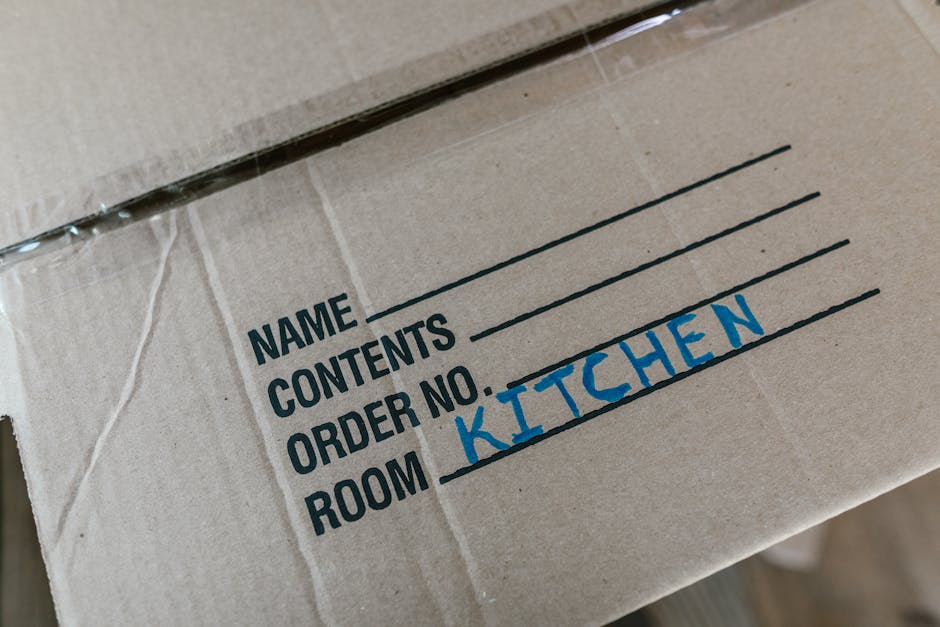
- Label clearly. Write the room name, a short contents note, and any handling warnings. "Kitchen - mugs and plates - fragile" is much better than "misc."
- Keep weight sensible. Heavy items go in smaller boxes. This is one of those rules people ignore right up until their back complains.
A small tip that helps more than it should: pack one room at a time and finish each box fully before moving to the next area. Half-packed boxes scatter your attention. And attention, on moving week, is already in short supply.
Expert Tips for Better Results
A good pack is calm, not clever. The best results usually come from a few simple habits done consistently.
- Use smaller boxes for heavy items. Books, tools, and crockery become dangerous when stuffed into large boxes. They are hard to lift and more likely to split.
- Wrap breakables individually. Don't bundle several glasses together unless they are properly separated and cushioned.
- Fill voids. Empty space causes movement. Use paper, towels, or clean soft items to stop items shifting.
- Keep similar items together. It makes unpacking easier and helps identify whether anything is missing.
- Protect corners and screens. TVs, mirrors, and framed pieces need extra edge protection.
- Don't seal boxes too early. Give yourself a quick check before taping the final flap. A box can look finished and still hide a problem.
In our experience, the people who struggle most are the ones who treat packing like a last-minute sprint. It isn't. Or rather, it shouldn't be. A calm Sunday afternoon with tea cooling on the side and labels laid out properly is worth more than three stressed hours late at night.
If you are moving furniture as well as boxed belongings, think about how the items will be carried and stored on the vehicle. Services such as furniture removals and removal services are usually built around protecting larger pieces during both packing and transit.
Common Mistakes to Avoid
Some packing mistakes are harmless. Others create a chain reaction on moving day. The usual offenders are easy to recognise, which is annoying because people still make them all the time.
- Overpacking boxes. If the box bows when you lift it, it's too full.
- Using weak or mixed-quality boxes. A random supermarket box might be fine for cushions. Less fine for crockery.
- Packing too late. Late packing usually means poor sorting, rushed labelling, and forgotten essentials.
- Not protecting liquids. Toiletries, cleaning products, and kitchen bottles can leak and damage other items.
- Ignoring access conditions. Stairs, lifts, tight hallways, and parking restrictions should affect how you pack and load.
- Forgetting insurance implications. Poor packing can make claims harder if damage happens.
One simple example: people often put books in a large box because it feels efficient. It isn't. It becomes a dead weight that's awkward to carry and far more likely to split at the bottom. Better to use smaller boxes and preserve your sanity.
Another common issue is assuming all items can be packed the same way. They can't. A vase, a frying pan, a folder of documents, and a bedside lamp all need different handling. That sounds obvious, but moving day has a way of making obvious things disappear.
Tools, Resources and Recommendations
You do not need a mountain of equipment to pack safely, but you do need the right basics. Good materials reduce breakage and speed things up. Cheap materials often cost more in the end, because you end up replacing them.
| Item | Best use | Why it matters |
|---|---|---|
| Small and medium boxes | Books, kitchen items, everyday belongings | Safer lifting and better weight control |
| Packing paper | Wrapping crockery, glass, and small items | Prevents scratching and movement |
| Bubble wrap | Fragile, valuable, or oddly shaped items | Adds cushioning where needed |
| Strong tape | Sealing boxes securely | Helps boxes survive lifting and stacking |
| Markers and labels | Room names and handling notes | Makes unloading and unpacking far easier |
| Furniture covers or blankets | Large items and soft furnishings | Reduces scuffs and dirt transfer |
If you're comparing self-pack and assisted packing, the most useful support pages are usually packing and boxes, removal van, and man with a van options, especially for smaller moves where flexibility matters.
For anyone worried about where to put items before or after the move, short-term storage can be useful when completion dates don't line up cleanly. That happens more often than people expect. A lot more often, actually.
Law, Compliance, Standards, or Best Practice
There are a few practical standards and expectations worth keeping in mind, even if you are not dealing with a formal commercial move. In the UK, removals work is usually shaped by common best practice around manual handling, safe loading, and insurance conditions. Exact requirements can vary by provider, but the basic principle stays the same: items should be packed in a way that is reasonable, secure, and suitable for transport.
If you are using a removals company, check how they approach liability, packing standards, and what counts as adequate protection. Many providers will be clear that poorly packed boxes or loose items may not be treated the same as items packed by the team. That is not a scare tactic. It's just how risk is managed in the real world.
You should also pay attention to general health and safety around lifting, box weight, and trip hazards. Even a home move can go wrong if the hallway is full of unsealed boxes and trailing tape. If you want to understand how a provider frames safety, their health and safety policy and insurance and safety information are good places to start.
For transparency on what's included and how booking works, it can also help to review terms and conditions and pricing and quotes before making a final decision. Small print is dull. But it saves arguments later, which is more useful than people admit.
Options, Methods, or Comparison Table
The right choice depends on your budget, timeline, and tolerance for risk. Here's a simple comparison to make the decision easier.
| Option | Best for | Main advantages | Main drawbacks |
|---|---|---|---|
| DIY full packing | Smaller moves, organised households, budget-conscious movers | Lower cost, full control, flexible timing | Time-consuming, more risk of errors, tiring |
| Professional full packing | Busy families, larger homes, fragile or valuable contents | Fast, consistent, less stress, better protection | Higher cost, less hands-on control |
| Hybrid packing | People who want savings without doing everything | Good balance of cost and convenience | Requires planning and a clear division of tasks |
A hybrid approach is often the sweet spot. You pack bedding, clothes, and ordinary household items yourself, and leave fragile or specialist things to the professionals. That way you still save money, but you don't take unnecessary risks with the awkward stuff.
Case Study or Real-World Example
Imagine a couple moving from a two-bedroom flat in South London into a terraced house. They have books, kitchenware, a large mirror, a TV, and several boxes of sentimental items. They start packing two weeks early and do a decent job on clothes, toiletries, and soft furnishings. So far, so good.
Then they reach the kitchen. Suddenly, they are short on time, running out of bubble wrap, and not quite sure how to pack the glassware safely. The mirror is awkward, the TV box is missing, and both of them are tired after work. This is the point where DIY turns from manageable to messy.
They decide to keep packing the easy items themselves and book professional help for fragile belongings and larger pieces. The move runs better because the specialist items are handled with a more careful method, while the couple still keeps control over personal items and lower-risk boxes.
That kind of split is very common. It avoids the all-or-nothing trap. And honestly, all-or-nothing is rarely the best option in removals. Not when a little flexibility solves most of the problem.
For a move like this, a service such as house removals or the more hands-on support of house removalists can make the day feel much more controlled.
Practical Checklist
Use this checklist before deciding whether to DIY pack or hire professionals.
- Have you counted the number of rooms and fragile items?
- Do you have enough time to pack properly, not just quickly?
- Do you already have strong boxes, tape, and wrapping materials?
- Are there valuables, mirrors, artwork, or electronics that need extra care?
- Will you be moving from a flat, top floor, or awkward access property?
- Are there children, pets, or work commitments making packing harder?
- Do you understand what is covered by your chosen removals service?
- Have you separated essential overnight items?
- Are you comfortable lifting and carrying heavier boxes safely?
- Would a hybrid approach make more sense than doing everything yourself?
If you can answer "no" to three or more of those, professional support is probably worth considering. That's not a strict rule, just a sensible nudge.
Get a free quote today and see how much you can save.
Conclusion
When you compare DIY versus professional packing what to know for safe removals really comes down to three things: time, risk, and peace of mind. DIY packing can work beautifully when the move is small, the schedule is generous, and the household is organised. Professional packing becomes the better choice when the job is larger, the items are fragile, or the day already feels crowded before it starts.
The smartest approach is usually the one that protects the things you care about without exhausting you before the van even arrives. Sometimes that means doing the whole lot yourself. Sometimes it means getting help with the fragile bits. And sometimes it means letting someone else take the pressure off completely.
Either way, a well-packed move is a calmer move. And in removals, calm is worth a lot.
Frequently Asked Questions
Is DIY packing cheaper than professional packing?
Usually, yes. DIY packing can reduce labour costs because you are doing the work yourself. But the saving only really helps if you already have time, decent materials, and enough confidence to pack safely. If poor packing leads to damage or delays, the savings can disappear quickly.
What items should always be professionally packed?
Fragile, valuable, awkward, or specialist items are the best candidates for professional packing. That often includes artwork, mirrors, antiques, glassware, electronics, and items like pianos. If an item would be genuinely annoying or expensive to replace, it deserves extra care.
How far in advance should I start packing for a house move?
As early as you realistically can. A few weeks is ideal for a standard home move, especially if you are packing yourself. Starting early gives you time to declutter, buy materials, and avoid last-minute panic. That last-minute panic, let's be honest, is where mistakes happen.
Can I pack some rooms myself and leave the rest to professionals?
Yes, and this is often the best compromise. Many people pack clothes, books, and everyday items themselves, then ask professionals to handle fragile or difficult belongings. A hybrid approach can save money without putting high-risk items in danger.
Does professional packing include unpacking as well?
Sometimes, but not always. It depends on the service you choose. Some providers offer both packing and unpacking, while others only pack items for transit. If unpacking matters to you, check the service details before booking so there are no surprises on arrival day.
What is the biggest mistake people make when packing for removals?
Overpacking boxes is a big one. Heavy, overloaded boxes are harder to lift, more likely to split, and more likely to damage what's inside. Another common mistake is leaving packing too late, which tends to create rushed decisions and weak protection.
Are removal companies responsible for damage to items I packed myself?
That depends on the company, the service terms, and how well the items were packed. Many movers will expect self-packed items to be packed to a reasonable standard. If in doubt, check the terms in advance and ask how they handle self-packed boxes.
How do I know if my packing is good enough for safe removals?
A good test is simple: boxes should be secure, not bulging, not too heavy, and clearly labelled. Fragile items should not move around inside the box. If you gently lift a box and it feels unstable or lopsided, repack it. That small extra effort is usually worth it.
Is professional packing worth it for a small flat move?
It can be, especially if you have limited time or several fragile items. For a smaller move, DIY is often fine if you are organised. But if you are juggling work, a tight handover, or awkward access, professional packing may still be the safer choice. Small move, big stress? It happens.
What should I pack first when doing it myself?
Start with the items you use least: seasonal clothing, spare bedding, books, ornaments, and storage items. Leave daily essentials and kitchen basics until closer to moving day. This keeps life more manageable while the move is underway.
Where does packing fit into the overall removals service?
Packing is the foundation of the move. It affects loading, transport, unloading, and unpacking. A well-packed home makes everything faster and safer. If you want a move that feels smoother from the start, packing deserves proper attention rather than a quick pass at the end of the week.