UK Removals in the United Kingdom

UK Removals provides removals in the United Kingdom for households and businesses that need items moved with care, order and clear planning. Our main service covers local and longer-distance moving work, with support for packing, furniture handling, loading and unloading, and practical help when the move needs to be completed around existing routines. The aim is straightforward: make the physical move manageable, protect belongings in transit and keep the day organised from the first item to the last.
We work across the usual stages of a move rather than treating removals as a single lift-and-go task. That can include dismantling suitable furniture, protecting awkward pieces, moving boxes through tight spaces, and keeping heavier items stable while they are in the vehicle. For customers comparing options, the most useful starting point is often a clear breakdown of what is being moved, what access is involved and whether packing help or storage is needed alongside the removal itself.
If you are arranging a house move, office relocation or a smaller collection of items, choose the level of support that fits the job and then request a quotation when you are ready. Our service pages below explain the main types of moving work in more detail, so you can match the right option to the property, contents and timeframe without guessing.
House removals and home moving support
House removals are often the core of a move, and they need more than transport alone. Contents have to be sorted, packed and carried in a way that suits the property layout, the size of the furniture and the route to the vehicle. Our home moving service is designed for that practical work, whether the move involves a compact flat, a family house or a property with several large pieces that need careful handling.
House removals usually suit customers who want a broader moving service for domestic belongings, including furniture, boxed possessions and everyday household items. If the move is to or from a smaller property, flat removals can be a better fit because they focus on the access issues, stairways and tighter layouts that often shape apartment moves. Where the job is modest and needs a flexible vehicle-based approach, man and van services may be the simpler option.
What a domestic removal can include
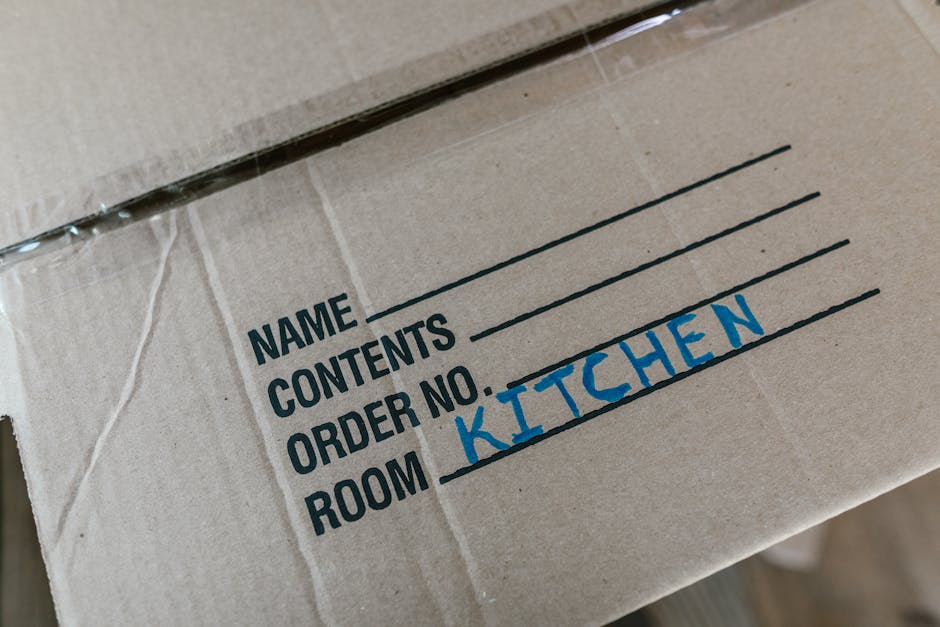
Domestic moving work is usually most efficient when the load is handled in sensible stages. That may mean protecting fragile objects first, grouping similar boxes together, then moving furniture pieces that need two-person handling or a little disassembly. A good plan also considers the arrival order at the destination, especially if the property has limited space or several rooms that need to be set up in a particular sequence. Clear packing labels can make the day easier, but the real priority is keeping items safe and the route workable.
Commercial moving for offices and workspaces

Business removals require a different rhythm from household moves because the aim is not only to move objects, but to keep disruption controlled. Our office removals service covers the practical side of relocating desks, chairs, filing, IT-related items and other workplace contents. For a larger or more structured project, office relocation services can better reflect the planning and coordination needed when departments, equipment and access windows must be handled carefully.
Commercial moves benefit from an ordered approach to packing, labelling and sequencing. Sensitive items should be separated from general furniture, and there is usually value in moving the most essential work areas first so operations can restart in a sensible order. Where a business needs to move furniture or equipment between sites without a full relocation, commercial moves and removal services can provide a more tailored way to plan the work.
Planning around equipment and access
Office removals often involve items that are awkward to carry, difficult to stack or sensitive to impact. That makes access details important: lift availability, stairs, corridor widths, loading points and any restrictions on vehicle stopping can all affect the method used. Workstations, cabinets and boxed archive material are commonly moved in a defined order so that the most urgent items are easier to locate when they arrive. The purpose is not to overcomplicate the move, but to keep control of it.
Packing, boxes and protection for transit
Packing work can make a removal far smoother, especially when there are breakables, mixed household items or awkwardly shaped objects to protect. Our packing and boxes page covers the materials and packing support that help prepare belongings for transport. For customers who want more of the hands-on preparation managed as part of the move, packing and unpacking services can reduce the amount of work left to do at either end of the day.
Good packing is not only about putting things in containers. It is also about making boxes liftable, keeping weight balanced and separating items that could scratch or crush each other. Books, kitchenware, files and décor usually need different treatment, and the way they are packed affects how easily they can be stacked in the vehicle. This is one reason removal work often goes more smoothly when packing starts with a simple room-by-room plan rather than a last-minute rush.
When packing is handled well, unloading becomes quicker and room placement is easier because boxes are already grouped by area or use. That helps with larger domestic moves, but it is also useful in business relocations where teams need essential equipment first and less urgent items later. If packing help is needed alongside the removal itself, it is sensible to discuss that at the same time as the move so the overall plan can be coordinated.
Furniture, heavy items and careful lifting

Some removals are dominated by furniture rather than boxed belongings. In those cases, the main issue is not volume but shape, weight and the need to protect both the item and the building. Our furniture removals service covers the movement of tables, wardrobes, cabinets, sofas and similar pieces that benefit from careful handling. For smaller individual items, furniture pick-up may be the more practical choice when the job is limited to a few pieces rather than a full property move.
Heavy or delicate items need special consideration because a damaged doorway, stair edge or floor surface can turn a simple lift into a slower job. Where suitable, pieces may be wrapped, separated into parts or moved with extra spacing so they stay stable in transit. If an item is unusually large or especially weighty, it is better to plan the route and handling method first instead of treating it as a standard box-shaped load.
Careful lifting is not just about strength. It is about positioning, timing and keeping the item under control while moving through confined spaces. That is why furniture moves often work best when the access route has already been checked and any disassembly needs are known before the day starts. A small amount of preparation can save repeated lifting and reduce the chance of delays at the property.
Van-based removals, vehicles and flexible load sizes
Not every move needs a large vehicle or a full-scale domestic crew. Sometimes the task is a one-off collection, a partial move or transport for a mixed load that is better suited to van-based removal. Our man with van and man with a van pages describe flexible moving support for jobs where simplicity matters more than a large team. For customers comparing vehicle types, removal van and moving truck pages help explain the difference in scale and load space.
Vehicle choice can matter as much as the labour itself. A smaller van may suit single-room moves, student moves or furniture collections, while a larger removal vehicle is better when the load includes several rooms of contents or multiple large items. In each case, the goal is to match the transport to the contents so that the move is completed efficiently without paying for more capacity than is required.
Our removal truck hire information is useful when the move depends on a larger transport option, while removal companies and removals pages give a broader overview of the services available. Customers often use these pages to compare how much help they need, whether loading support is required and what vehicle size feels appropriate for the contents and access involved.
About the United Kingdom

The United Kingdom is a sovereign state made up of England, Scotland, Wales and Northern Ireland, situated off the north-western coast of mainland Europe. Its geography ranges from mountain regions and upland moorland to dense urban centres, long estuaries, inland waterways and extensive coastlines. London, the capital, developed on the River Thames and became a major port, administrative centre and financial hub, while other cities such as Manchester, Birmingham, Glasgow, Edinburgh, Cardiff and Belfast each grew around distinct industrial, civic and cultural histories. The country’s transport network reflects this long development, with motorways, rail corridors, ports and airports linking older city cores, suburban districts and newer commercial areas. Historic landmarks can be found across the islands, from Roman and medieval remains to Georgian squares, industrial-era warehouses and Victorian civic buildings, many of which sit alongside modern architecture and regenerated waterfronts. Parks and open spaces are also a strong feature of British urban life, with royal parks, local commons, national parks and protected landscapes providing contrast to built-up areas. The UK’s cultural life is similarly varied, drawing on literature, theatre, music, museums, regional traditions and seasonal events that differ from place to place. While the country shares common institutions, its towns and regions retain their own identities, accent patterns, built form and local character, creating a geography that is both unified and diverse.
For moving customers, that variety often shows up in the buildings themselves: terraced houses, post-war estates, converted flats, suburban homes, warehouse units and office parks all present different access and handling conditions. The built environment has been shaped over centuries, and many streets combine older properties with newer infill or redevelopment. The result is a national setting in which location, property type and transport routes can all vary widely from one job to the next.
Because of that mix, removal work in the UK often needs practical flexibility rather than a one-size-fits-all method. Some moves involve narrow streets and stairwells, others need careful loading from commercial premises or multi-storey buildings. The main thread is movement across a country with a dense network of homes, workplaces and transport links, and with enough variation in layout and building type to make planning an important part of the task.
Same-day and urgent moving support

Some customers need a move completed quickly because access has changed, a collection window has shortened or an item has to be moved sooner than expected. Our same-day removals page covers urgent moving support for situations where timing matters more than the usual lead-in period. This is most useful when the load is already known, the contents are ready to go and the route between collection and delivery can be managed without unnecessary stops.
Urgent work still benefits from the same basics as any other removal: clear item lists, practical access information and an honest view of what needs handling. If the job includes boxes, furniture or heavier objects, the layout of the property and the number of carrying stages will affect how straightforward the move is. A tighter schedule does not remove the need for sensible preparation, but it does make early communication more valuable.
When you are comparing options, it can help to think in terms of what must be moved now, what can wait and which items need special treatment. Storage can be useful where a move is split into stages, and pricing and quotes is the natural next step once the load, access and destination are known. Contact us to request a quotation or ask about the best moving option for your schedule.
Storage, student moves and smaller jobs
Not every move is a full household relocation. Some jobs are driven by a change of term, a temporary stay, a short lease or the need to move a few essential items only. Our student removals page is aimed at lighter moves that still need good organisation, while storage is useful when belongings cannot go straight to the final address. For items that only need to be collected and transported once, furniture pick-up can keep the job focused and efficient.
Smaller moves often have their own practical demands. They may involve a limited number of boxes, a bicycle, study furniture or a few sentimental items that should not be mixed in with general loads. Even when the volume is low, it still helps to keep boxes sealed, fragile items wrapped and the order of loading clear. If storage is involved, it is sensible to separate what will be needed immediately from what can be placed aside for later access.
For straightforward jobs, the best result usually comes from matching the service to the actual size of the move rather than assuming a larger package is always better. That approach can keep costs and effort in proportion to the contents. If you are unsure which page fits your move, the simplest approach is to start with the most accurate description of what needs to be lifted, carried and delivered.
How to prepare a useful quotation request
When a quotation is requested, the most useful details are usually the move type, the collection and delivery areas, the approximate volume of items and anything that affects access. For example, stairs, long carrying distances, restricted parking or unusually large furniture can all change the amount of work involved. A clear description helps the estimate reflect the real job instead of a generic average, especially when the move combines household contents with a few heavier pieces.
It also helps to say whether the job needs packing, dismantling, storage or help with moving items between rooms before they leave the property. If there are several stages, list them in the order they need to happen. A short inventory is usually more helpful than a vague summary, and honest detail is better than guesswork. Where the move is time-sensitive, mention the preferred date or window so the plan can be matched to availability.
For a simple next step, use the main service page that matches your move, then ask for a quotation once the basics are clear. If you prefer to review the moving options first, the service pages above give a practical starting point. When you are ready, request a quotation and we will take the next step with you.
Removal service choices and what to consider
Choosing the right removal service is often about balancing scope, access and the type of belongings involved. A full home move, a business relocation, a furniture collection and a student job may all need different handling even if they seem similar at first glance. The service that fits best is usually the one that matches the scale of the load, the level of carrying involved and whether extra preparation is needed before transport.
- Use a full removal service when the job includes multiple rooms, larger furniture or a complete address change.
- Choose a van-based option when the load is modest and the move is more flexible.
- Add packing or unpacking support when time is limited or fragile items need more protection.
- Consider storage when the new location is not ready for everything at once.
These choices are easier to make when the contents are listed in a sensible order and any difficult items are identified early. That does not mean every move has to be over-planned; it simply means the service can be matched to the practical realities of the job. If you are comparing routes to the same outcome, start with the page that best reflects the amount of help you actually need.